Electronic Waste Management in 2026: Why Federal and State Policies Matter
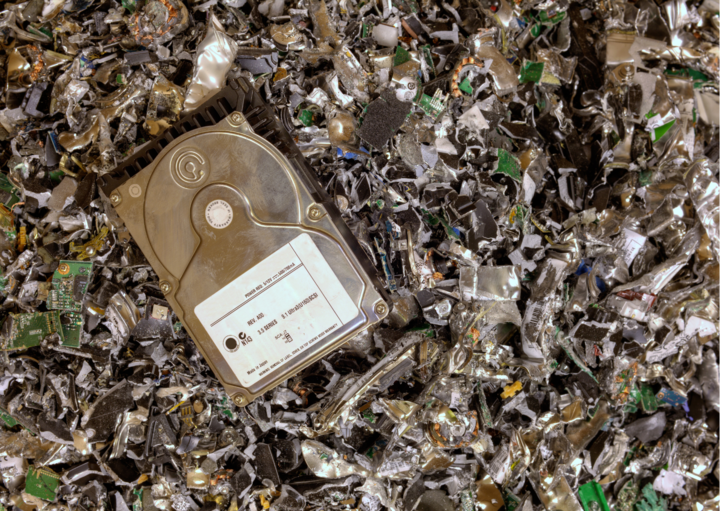
The authorities have woken up to the dangers posed by electronic waste. Such waste can contaminate soil or water with hazardous substances if disposed of improperly. Unsecured electronic equipment, on the other hand, threatens valuable information stored inside.
In 2026, electronic waste management is no longer optional it is a compliance requirement tied to environmental responsibility and information security. Federal agencies such as the Environmental Protection Agency continue to emphasize responsible handling of electronic waste, while states are introducing stricter recycling and reporting rules.
Federal Policies Shaping Electronics Recycling Services
Federal regulations primarily address environmental protection, worker safety, and the safe processing of electronic components. These policies can positively influence the operations of electronics recycling services in a variety of ways:
- Encouraging certified recycling practices
- It promotes safe material recovery instead of landfill disposal.
- Emphasizing secure handling of data-bearing devices
For recycling providers, this means incorporating documented processes that meet national standards. For businesses, it would mean selecting partners that not only understand but also work within federal expectations for electronic waste management.
State-Level E-Waste Regulations: Why Local Compliance Matters
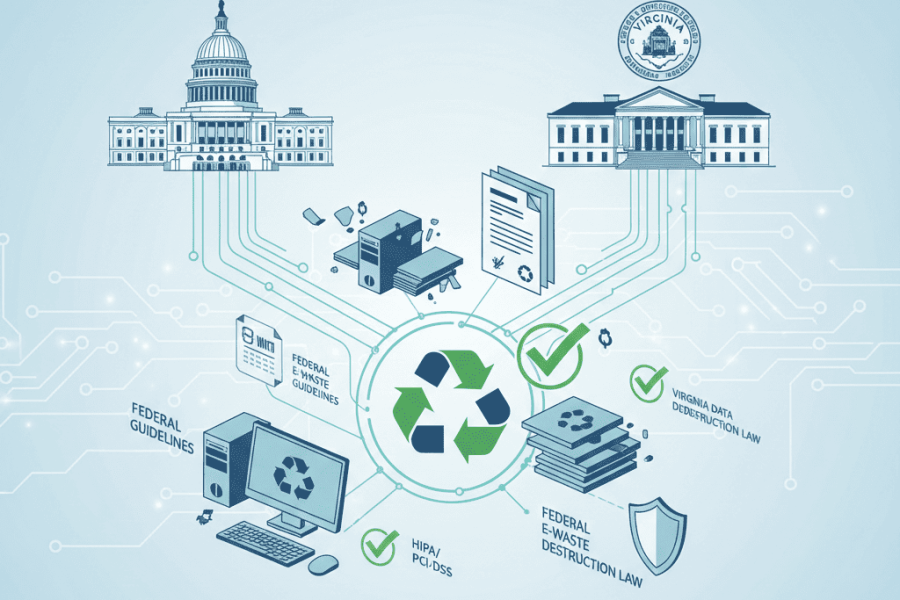
While federal policies set the foundation, state laws often define how e-waste must be collected, processed, and reported. States like Maryland, Virginia, and others across the East Coast have implemented specific requirements for e-waste recycling and IT equipment disposal.
These state-level policies affect:
- How electronics are transported and stored
- Which materials must be recycled instead of discarded
- Documentation required for compliance audits
As a result, electronics recycling services must adapt their operations to meet both federal and state expectations making local expertise increasingly important.
How Policies Impact E-Waste Recycling Operations
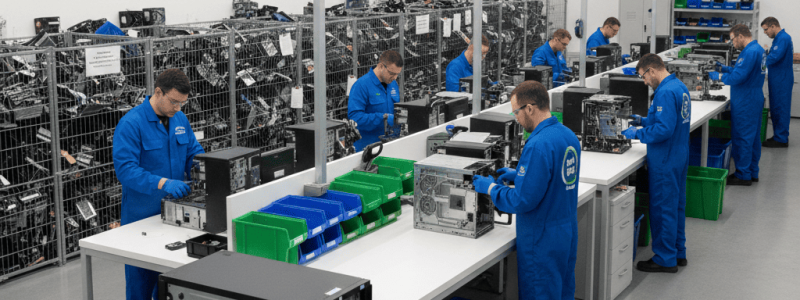
Regulatory changes influence every stage of the recycling lifecycle. In 2026, compliant e-waste recycling is defined by transparency, security, and sustainability.
Key operational impacts include:
- Greater focus on traceability and reporting
- Increased demand for certified recycling partners
- Higher standards for secure electronics recycling
For businesses, these policies highlight the importance of working with recyclers that can demonstrate responsible electronic waste management practices.

IT Equipment Disposal and Data Security Compliance
One of the most significant policy-driven changes involves IT equipment disposal. Devices such as computers, servers, and storage media often contain sensitive information, making secure handling essential.
Regulations now expect organizations to:
- Ensure data is permanently removed before recycling
- Maintain records of data destruction
- Use recycling partners that prioritise secure electronics recycling
This shift reinforces the connection between data protection and environmentally responsible recycling.
Environmental and Sustainability Benefits of Policy-Driven Recycling
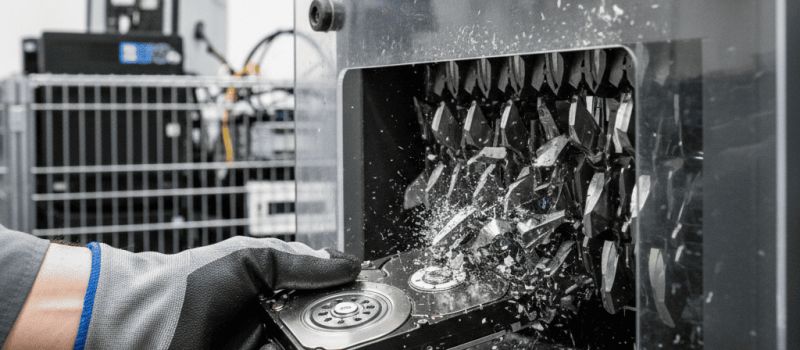
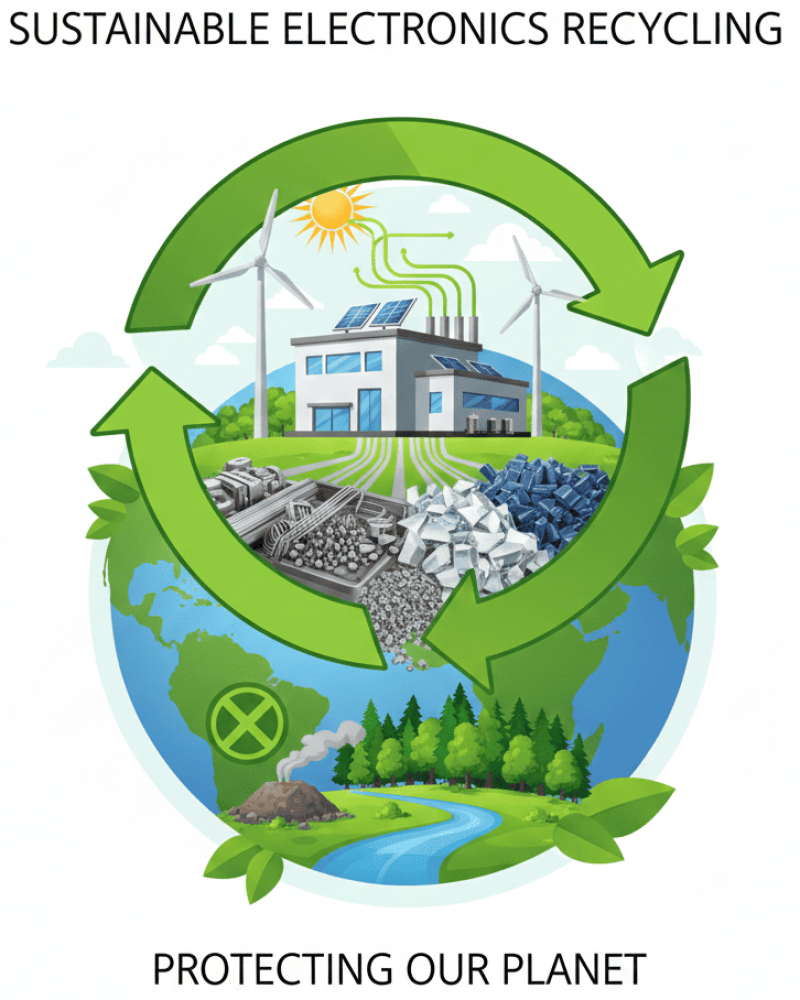
Stronger regulations are not just about compliance they also promote sustainability. Effective electronic waste management reduces landfill use, conserves raw materials, and lowers carbon emissions.
Policy-driven improvements encourage:
- Reuse and refurbishment where possible
- Responsible material recovery
- Long-term sustainability through e-waste recycling programs
By aligning with these policies, organizations contribute to environmental protection while supporting compliant electronics recycling services.
What Businesses Should Do in 2026
To stay compliant and future-ready, businesses should take a proactive approach to electronic waste management. This includes:
- Reviewing internal disposal policies
- Partnering with experienced electronics recycling services
- Prioritising secure electronics recycling for data-bearing devices
- Ensuring proper IT equipment disposal documentation
These steps not only reduce regulatory risk but also improve trust and operational efficiency.

Looking Ahead: Policy Trends Beyond 2026
As technology continues to evolve, e-waste policies are expected to become even more comprehensive. Businesses that invest early in compliant e-waste recycling and strong partnerships will be better positioned to adapt to future changes.
Ultimately, understanding the impact of federal and state policies helps organizations turn compliance into a strategic advantage protecting data, supporting sustainability, and ensuring responsible electronic waste management.
Conclusion
The impact of federal and state e-waste policies on electronics recycling services in 2026 is significant. From stricter environmental rules to higher expectations for secure electronics recycling and IT equipment disposal, compliance is now closely tied to trust and sustainability.
By choosing experienced recycling partners and prioritizing responsible electronic waste management, businesses can meet regulatory requirements while contributing to a cleaner, safer future.
Contact Us for Compliant Electronics Recycling Services
If your organization is preparing for new e-waste regulations or reviewing its electronic waste management practices, our team is here to help. Contact us today to learn how compliant, secure, and sustainable electronics recycling services can support your operational and environmental goals.
Frequently Asked Questions
Electronic waste management refers to the responsible handling, recycling, and disposal of discarded electronic equipment. In 2026, it is especially important due to stricter federal and state regulations, increased environmental concerns, and the need to protect sensitive data contained in electronic devices.
Federal policies establish baseline standards for environmental protection, data security, and responsible recycling. These regulations influence how electronics recycling services operate and encourage compliant, secure, and sustainable recycling practices across the United States.
State-level e-waste laws often include specific requirements for collection, recycling, and documentation. Businesses must comply with these rules to avoid penalties and ensure proper electronic waste disposal within their operating regions.
Electronics recycling services help businesses meet regulatory requirements by managing e-waste recycling, IT equipment disposal, and secure electronics recycling in line with federal and state policies. Choosing experienced providers reduces compliance risks and operational burden.
Organizations can prepare by reviewing their electronic waste management policies, partnering with compliant recycling providers, ensuring secure handling of data-bearing devices, and staying informed about evolving federal and state regulations.