

Is Your IT Storage Room a Ticking Time Bomb? How Improper IT Equipment Disposal Puts Your Business at Risk in 2026
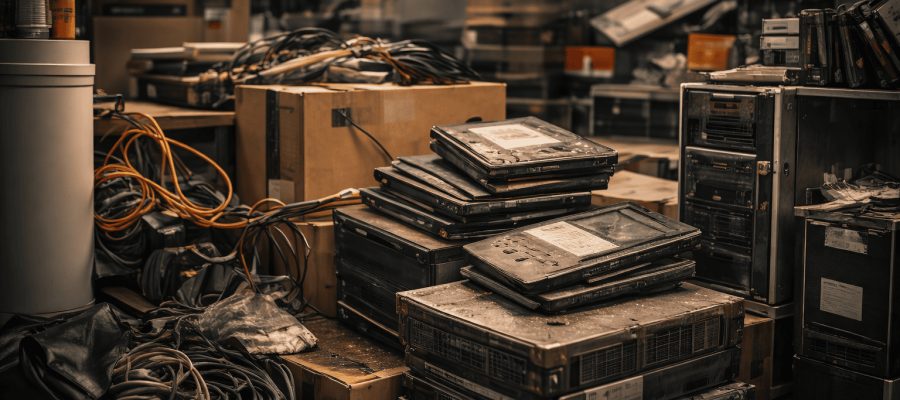
Behind many locked office doors sits a quiet problem: stacks of old laptops, unused servers, and forgotten hard drives. What looks like harmless storage is often the result of delayed IT equipment disposal, and in 2026, that delay can create serious risk. Businesses across industries underestimate how much exposure outdated technology creates when it’s simply pushed aside instead of handled properly.
Improper management of retired IT assets isn’t just an operational oversight. It opens the door to data breaches, compliance concerns, environmental harm, and reputational damage. The longer unused devices remain in storage, the more dangerous the situation becomes.
Why Storing Old IT Equipment Is More Dangerous Than You Think
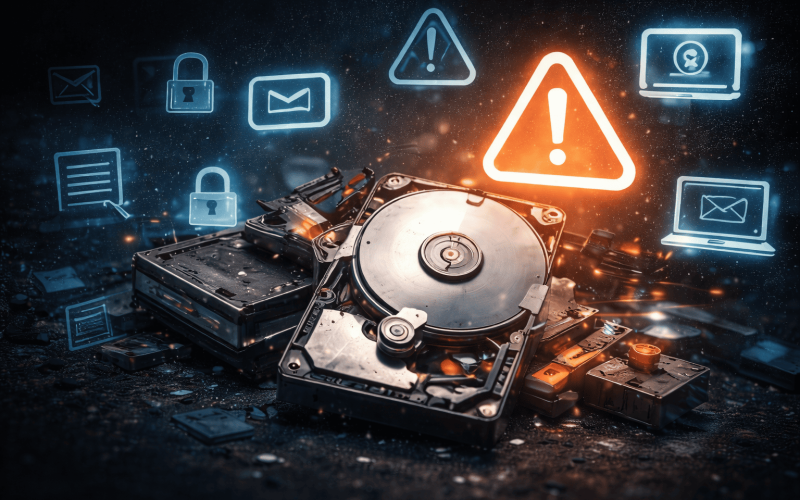
Old IT equipment doesn’t lose its ability to store data simply because it’s no longer in use. Hard drives retain sensitive information long after systems are retired. This is why hard drive destruction is a critical step in reducing risk.
When businesses skip proper physical data removal, they expose themselves to theft, unauthorised access, and accidental data leaks. Relying on storage instead of secure removal means the threat remains active. Effective hard drive destruction ensures that data cannot be recovered, even if equipment is lost or mishandled.
Data Security Risks and the Need for Secure Data Destruction
Deleting files or reformatting drives does not remove data permanently. Residual information can still be recovered with minimal effort. This is where secure data destruction becomes essential.
Implementing verified data removal methods ensures that sensitive information is permanently eliminated before equipment leaves your control. Organisations that adopt secure data destruction practices demonstrate responsibility and reduce their exposure to security incidents. In 2026, secure data destruction is not just a best practice, it’s a business necessity.
The Role of Hard Drive Destruction in Risk Prevention
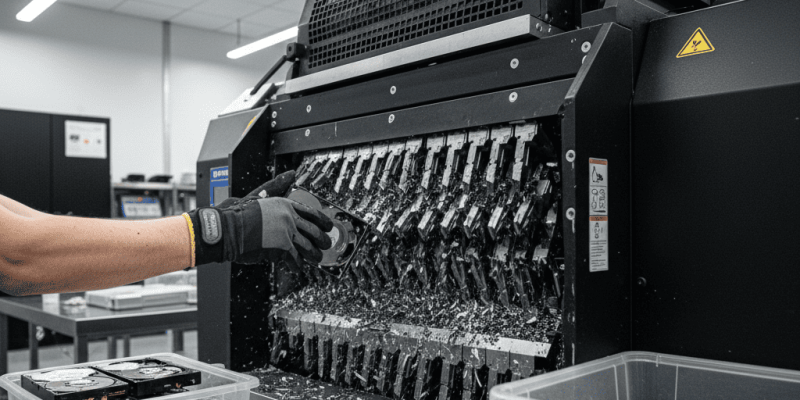
While software-based methods may work in limited cases, physical hard drive destruction provides the highest level of assurance. Shredding, crushing, or degaussing physically renders drives unusable.
Businesses that prioritize physical media destruction remove uncertainty from the disposal process. When paired with documentation and oversight, hard drive destruction becomes a reliable safeguard against future liability. This approach is especially important for organizations handling confidential or regulated data.
Why Data Destruction Services Matter for Compliance and Trust
Managing data removal internally can be challenging without the right expertise or equipment. Professional data destruction services help businesses maintain control, consistency, and accountability.
These professional services provide documented processes that support audits and internal reviews. By using established data destruction services, organizations strengthen trust with clients, partners, and regulators while reducing the operational burden on internal teams.
IT Equipment Recycling: The Responsible Next Step
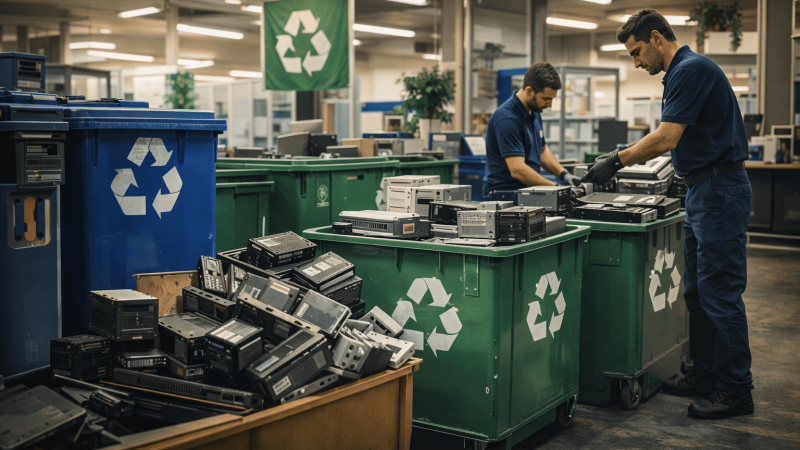
Once data has been securely removed, devices still contain valuable materials. IT equipment recycling allows businesses to manage retired technology responsibly while reducing environmental impact.
Effective IT equipment recycling supports sustainability goals and keeps hazardous materials out of landfills. When organizations integrate responsible recycling practices into their lifecycle strategy, they turn risk into responsibility. Combining IT equipment disposal with structured IT equipment recycling creates a complete and future-ready approach.
How to Eliminate the “Closet of Shame” in 2026
Solving the problem starts with action. Businesses should regularly audit stored equipment, identify data-bearing devices, and establish disposal timelines.
Key steps include:
- Reviewing stored hardware
- Prioritising IT equipment disposal for unused assets
- Implementing secure data destruction before removal
- Using professional data destruction services
- Completing the process through responsible recycling programs
Even a single neglected device especially when disposing of old hard drives improperly can create unnecessary exposure.
Conclusion: Take Control Before Risk Takes Control of You
Improper IT equipment disposal is a hidden risk that grows quietly over time. From unsecured storage to incomplete data removal, the consequences can be serious, but they are entirely preventable. A structured approach to secure data destruction, hard drive destruction, and responsible IT equipment recycling helps businesses eliminate uncertainty and stay in control.
If outdated equipment is still sitting in your storage room, now is the right time to take action. Contact us today protect your data, support compliance, and simplify the entire end-of-life process for your technology.
Frequently Asked Questions
IT equipment disposal is the process of safely removing, destroying, or recycling outdated or unused technology such as computers, servers, and hard drives. Proper IT equipment disposal helps businesses prevent data breaches, reduce compliance risks, and ensure sensitive information does not remain accessible on retired devices.
Secure data destruction ensures that all stored information on devices is permanently removed before disposal. Simply deleting files is not enough. Secure data destruction protects businesses from unauthorized data recovery, legal exposure, and reputational damage.
Hard drive destruction should be considered whenever a device reaches the end of its useful life or contains sensitive data. Physical hard drive destruction prevents data from being recovered and is often the most reliable option for high-risk or compliance-driven environments.
Data destruction services provide documented and controlled processes for permanently eliminating data from electronic devices. These services help businesses demonstrate due diligence, meet regulatory expectations, and reduce the risk of data breaches associated with improper IT equipment disposal.
After secure data removal, IT equipment recycling allows devices and components to be responsibly processed, reused, or recycled. This reduces environmental impact, supports sustainability goals, and ensures retired technology is handled safely instead of being sent to landfills.

