Top 3 Data Destruction Compliance Rules Virginia Businesses Should Know
For businesses operating in Virginia, protecting sensitive information is no longer just a best practice it’s a legal and operational requirement. As organizations upgrade systems and retire old devices, data destruction compliance Virginia businesses must follow has become a critical part of risk management. Improper handling of data can lead to breaches, penalties, and reputational damage.
Implementing secure data destruction helps Virginia businesses meet data protection laws, reduce exposure to data theft, and maintain strong data security compliance. This blog explains the top three data destruction compliance rules every Virginia business should understand and apply
What Is Data Destruction & Why Compliance Matters
Data destruction refers to the permanent and irreversible elimination of data from physical and digital media. In a business context, this includes hard drives, servers, laptops, mobile devices, and other IT assets that store confidential information.
Compliance matters because Virginia businesses are expected to follow recognized data protection laws and industry standards to prevent unauthorized access to sensitive data. Failure to follow proper secure data destruction practices can result in data breaches, regulatory action, and legal liability.
Below are the three most important rules Virginia businesses should follow to maintain data security compliance and ensure responsible handling of retired IT equipment.

Rule #1 — Follow State Data Destruction Requirements (NIST & Virginia Standards)
Virginia law does not mandate one single destruction method, but it does expect businesses to permanently eliminate data beyond simple deletion or formatting. This is where secure data destruction becomes essential.
Industry best practice follows NIST SP 800-88, which outlines approved methods for media sanitization. These methods ensure data cannot be reconstructed or recovered, supporting compliance with data protection laws.
Businesses should either overwrite data using approved software or physically destroy the media, depending on the sensitivity of the information.
Approved Secure Data Destruction Methods
- Purge – Software-based overwriting of data
- Degaussing – Magnetic disruption of data on compatible media
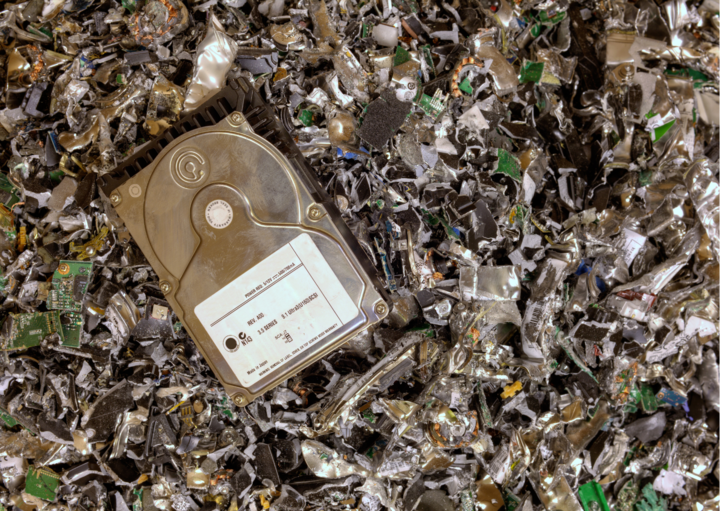
- Destroy – Physical destruction through certified hard drive shredding services
Using professional hard drive shredding services is often the safest option for regulated or highly sensitive data and supports long-term data security compliance.

Rule #2 — Maintain a Verified Chain of Custody & Documentation
Documentation is a key component of data destruction compliance Virginia businesses must maintain. During audits or legal reviews, companies must prove that data was destroyed securely and correctly.
A certificate of destruction serves as formal proof that secure data destruction was performed according to recognized standards. This document supports audit readiness and demonstrates adherence to data protection laws.
Chain of Custody Checklist
- Serial numbers or asset IDs
- Dates and timestamps of destruction
- Handler and owner signatures
- Verification or witness (if required)
Maintaining a certificate of destruction is one of the strongest ways to demonstrate data security compliance and protect your organization during compliance reviews.

Rule #3 — Handle E-Waste & Device Disposal Under Virginia Law
Virginia’s Computer Recovery and Recycling Act requires businesses to dispose of electronic devices responsibly. Simply discarding equipment in landfills may not meet compliance expectations, especially when devices contain data or hazardous components.
Proper IT equipment disposal connects both data and environmental compliance. Devices should be processed through responsible electronic waste disposal channels that ensure data is destroyed and materials are recycled safely.
IT Asset Disposal Compliance Tips
- Partner with a certified recycler
- Use approved recycling channels
- Avoid landfill disposal for IT equipment
Combining secure data destruction with responsible e-waste recycling reduces regulatory risk and supports sustainability goals.

Bonus Compliance Best Practices
Virginia businesses can strengthen compliance by adopting proactive policies, including:
- Conducting periodic data destruction audits
- Training staff on secure disposal procedures
- Integrating secure data destruction into IT lifecycle planning
- Working with professional data destruction services
- Aligning destruction with broader IT asset management strategies
These steps improve overall data security compliance and reduce operational risk.

What Happens If You Don’t Comply
Failing to follow data destruction compliance Virginia requirements can expose businesses to serious consequences:
- Regulatory fines and legal penalties
- Liability from data breaches
- Loss of customer and partner trust
- Long-term reputational damage
Ignoring data protection laws or skipping proper hard drive shredding services significantly increases risk, especially for businesses handling sensitive or regulated data.
Conclusion – Next Steps for Virginia Businesses
Following these three rules, using secure data destruction, maintaining documentation such as a certificate of destruction, and ensuring compliant IT equipment disposal, helps Virginia businesses stay protected and audit-ready.
Now is the time to review your data destruction policies and ensure they align with current data security compliance expectations.
Contact Metro Green today to make your data destruction process compliant, secure, and audit-ready.
Frequently Asked Questions
It refers to legally and securely eliminating data using approved methods that meet state and industry standards.
Not always, but hard drive shredding services are recommended for sensitive or regulated data.
It is the industry standard for secure data destruction and media sanitization.
A certificate of destruction proves compliance and supports audit readiness.
Landfill disposal may violate environmental and data compliance expectations; proper electronic waste disposal is recommended.