What Items Can You Recycle? A Guide to Electronic Waste Recycling for US Residents
Recycling looks simple, but the rules change from one town to another. One place accepts certain plastics, while the next one rejects them. That confusion leads many people to toss out items that could have been reused or recovered. This guide clears things up with a clear look at recyclable household materials, special items that need extra care, and why electronic waste recycling plays such a big part in keeping communities cleaner.
Metro Green helps homes and businesses handle electronics safely across DC, Maryland, Pennsylvania, and Virginia.
How to Use This Guide for US Residents
Before sorting your items, check your local rules. Every area sets its own standards, and these often shift based on facility changes. This matters most for plastics, chemicals, and electronics. Old phones, laptops, paint, batteries, oil, and cleaning products require hazardous materials handling, not simple curbside pickup.
Use this guide to understand the basics, then match it with your local program.

Common Household Recyclables
Paper and Cardboard
Mail, newspapers, shipping boxes, and paper bags are almost always accepted Flatten boxes so they fit better in your bin and stay dry.
Plastic Items
Most areas take bottles, jugs, detergent containers, and many food containers. Rules for lids and certain plastic numbers vary, so check your county’s list.
Glass Items
Bottles and jars can go into most curbside bins. Just rinse them first.
Metal Items
Aluminum cans, steel cans, clean foil, and metal lids are widely accepted. These items are often turned into new products quickly, making them a helpful part of recycling and waste management programs.
Electronic Waste (E-Waste)
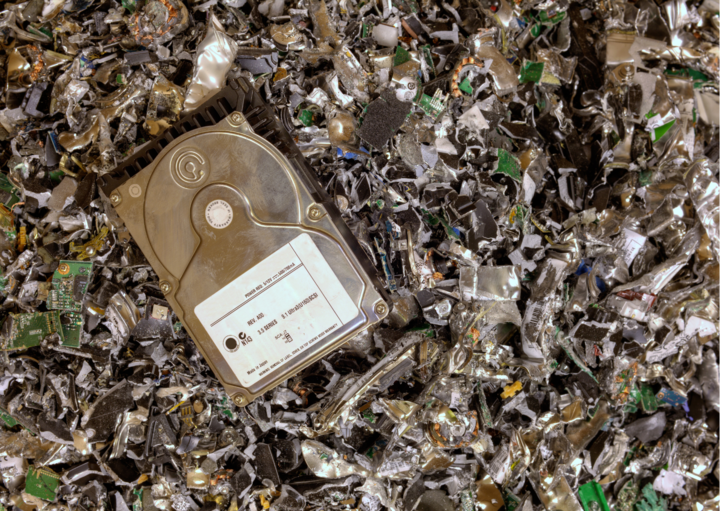
Electronics never belong in a curbside bin. They hold sensitive data, metals, plastics, and chemicals that must be handled the right way. This is where e waste disposal becomes important.
Items that need certified handling:
- Computers
- Laptops
- Monitors
- Printers
- Keyboards
- Phones
- Hard drives
- Servers
- Cables
- TVs
Dropping electronics into the trash can harm soil, water, and air. Proper collection of electronic waste keeps those materials out of the wrong places.
We help homes and businesses with safe disposal of old devices, secure data removal, and pickups across DC, MD, PA, and VA. You can also bring items to approved electronics drop-off locations in your region.

Appliances
Small Appliances
Many small machines, such as toasters, microwaves, hair dryers, and coffee makers contain wiring and metal that can be recovered. Some areas accept them at special events.
Large Appliances
Refrigerators, washers, dryers, and stoves often contain chemicals that require trained teams. These items usually go to certified centers that focus on safe removal and processing.
Household Batteries
Never place batteries in curbside bins. This includes:
- Single-use
- Rechargeable
- Lithium-ion
Batteries can leak or spark inside collection trucks. Many stores and local programs offer drop-off boxes. We can assist with certain types depending on the volume and material.
Household Hazardous Waste
Items that need special care include:
- Motor oil
- Paint
- Pesticides
- Cleaning chemicals
- Fluorescent bulbs
Cities often run yearly or monthly events for household hazardous waste disposal. These items should never be poured down a drain or dropped into a bin.

Clothing, Textiles, and Soft Goods
Many donation centers and textile programs accept clothing, shoes, towels, and bedding-even worn items. These programs support local groups and help reduce landfill use.
Confusing Items and Common Mistakes
- Pizza boxes: Only if clean
- Plastic bags: Store drop-off only
- Paper shredded: Often rejected
- Styrofoam: Accepted in limited areas
- Scrap wood: Not accepted curbside
If ever in doubt, always check.
Items/Things You Should Never Recycle
- Propane tanks
- Cartridges
- Medical waste
- Electronics (with batteries still inside)
- Anything covered in food residue
These are the items that require special programs or certified electronic recycling centers near you.
Preparing Your Recyclables
A few small steps make a big difference:
- Rinse containers
- Flatten boxes
- Keep things/items dry
- Eliminate portions not accepted locally.
These simple actions improve processing and reduce contamination.
Where to Recycle Items
You have several options depending on the material:
- Local curbside programs
- Community drop-off centers
- Store take-back bins
- Special collection events
- Certified electronic waste recycling services, such as Metro Green
These help ensure that items are handled in a safe manner and keep waste out of landfills.

Final Thoughts and Your Next Step
Recycling gets easier once you know what goes where. Most items can be handled by your local program, but electronics fall into a different category.
They carry data, metals, plastics, and chemicals that need careful treatment. If you’re in DC, Maryland, Pennsylvania, or Virginia and want to clear out old devices, Metro Green can help you do it the right way.
Our team focuses on electronic waste recycling, e waste disposal, and the safe collection of electronic waste from homes and businesses. If you have computers, monitors, phones, or other devices sitting around, get in touch and we’ll help you move them out quickly and safely.
Reach out today if you want help with old electronics or items that need special care.
Frequently Asked Questions
Most areas accept paper, cardboard, glass bottles, metal cans, and many plastics. Check your local program for exact rules.
Electronics contain metals, data, and chemicals that require certified handling. Proper e-waste disposal keeps these materials out of landfills.
Look for approved electronics drop-off locations or contact a certified recycler like Metro Green. Metro Green offers pickup services throughout all of DC, MD, PA, and VA.
Items like paint, oil, chemicals, bulbs, and some cleaners fall into this group. These need to be disposed of through household hazardous waste disposal programs available locally.
Yes, we manage the collection of electronic waste for offices, warehouses, schools, and other commercial facilities.